
🦠 Understanding Your Microbes — Appearance & Moisture CareUpdated 3 months ago
Overview
Understanding how your microbes look and behave — and how to care for them — is key to consistent, odor-free performance. This article covers microbe appearance over time and the moisture management essentials for the first 2–4 weeks.
What the Microbes Look Like
◻ Reencle Prime — Compost Starter 1.0
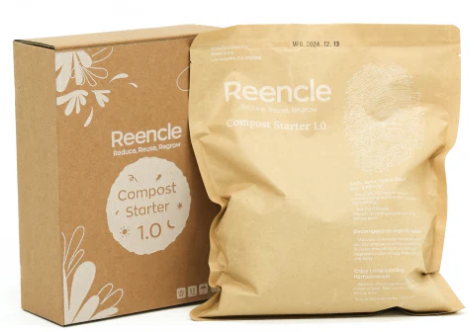
Freeze-dried, compressed wood pellet (sawdust) form, containing:
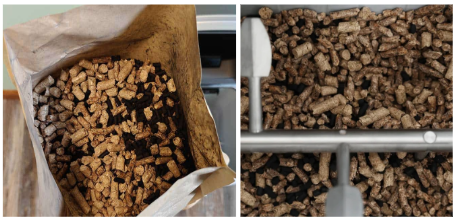
- Bacillus microorganisms — active decomposers
- Activated carbon (black pellets) — odor control
- Glucose — food source for initial activation
◻ Reencle Gravity / Gravity Pro — Compost Starter 2.0
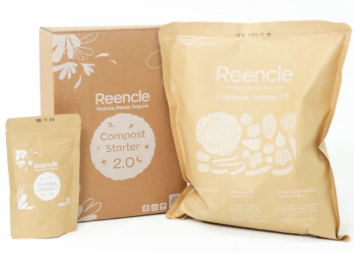
Comes in two packs — both must be fully added to the chamber:
| Pack | Contents & Purpose |
|---|---|
| Pack 1 — Microbes | Freeze-dried wood pellets: Bacillus microorganisms, activated carbon, glucose |
| Pack 2 — Booster | Proprietary mineral compound that speeds microbe adaptation, reduces early odors, and improves decomposition performance |
💡 Compost Starter 1.0 and 2.0 are cross-compatible across all Reencle models (Prime, Gravity, Gravity Pro) — either version can be used in any unit.
🕔 Transformation Timeline
- After activation (water + power on): Pellets loosen within 6–8 hours, resembling damp sawdust.
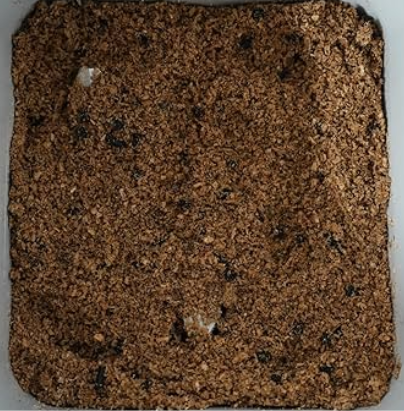
- After 2–4 weeks: Microbes transform into rich, soil-like material — the target state of a healthy colony.
- Fast (≈2 weeks): frequent food input in appropriate amounts.
- Slower (up to 5+ weeks): infrequent or low-quantity input.
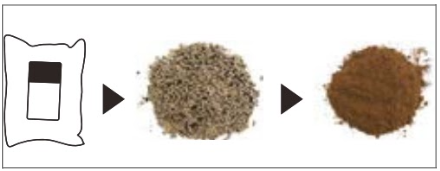
| 💡 "It's been 2 weeks and my microbes still look like sawdust" — this is normal. Timeline depends on feeding frequency and amount; no cause for concern as long as microbes stay moist and continue decomposing food. |
Moisture Management (Critical)
Moisture is the single most important factor in microbe health — too dry causes dormancy; too wet reduces decomposing power and causes odors.
◻ Moisture Check: The Squeeze Test
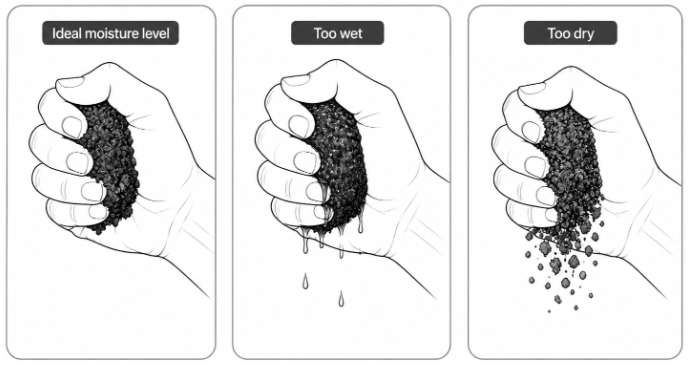
Use once microbes have transitioned to soil form (2–4 weeks):
| Result | Meaning |
|---|---|
| No dust on walls/filter; dark, soil-like; holds shape when squeezed, crumbles when pressed | ✅ Ideal moisture |
| Water drips out when squeezed | ❌ Too wet — Dry mode alone isn't enough. See: 👉 Wet Microbe Recovery Guide |
| Crumbles immediately, won't hold shape | ❌ Too dry — add water or increase food input |
| Visible dust, dry friction noise | ❌ Severely dry — add water or increase food input immediately |
◻During the Sawdust Phase (First 1–2 Weeks)
Target state: moist to the touch, not dry.
- The chamber's internal heating element causes moisture to evaporate faster than expected — monitor regularly.
- No food to add? Pour a small amount of water into the chamber to prevent over-drying — but water alone evaporates quickly and isn't a reliable long-term source.
- Prefer food inputs over water for moisture control — food provides moisture and nutrients together and breaks down more slowly, maintaining more stable moisture over time.
What Healthy Microbes Look Like (Target State)
After 2–4 weeks of regular use:
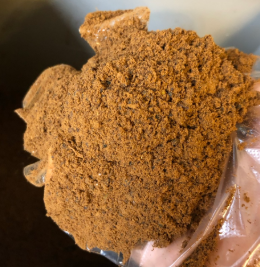
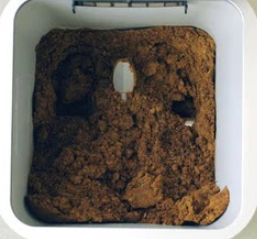
- Visual: Dark, rich, crumbly soil
- Touch: Slightly moist — noticeable but hands don't get wet
- Smell: Earthy, like garden compost or potting soil
Keep this as your ongoing reference — as long as microbes consistently match this description, your unit is performing correctly.
♻️ Semi-Permanent Use — No Regular Replacement Needed
Your original Compost Starter can be used semi-permanently with proper care — there's no need to purchase new microbes on a regular basis.
- As microbes process food, volume increases over time. Once it reaches the MAX line, scoop out roughly half for garden use (see: 👉 Cleaning When Contents Reach MAX Line).
- ⚠️ Always keep microbe level at or above the MIN line — going below this may prevent the stirring rod from mixing properly.
- Replacement is only needed if microbes become fully liquified (unrecoverable). Order here: 👉 Shop Reencle Compost Starter
💡 Microbes don't die from lack of food. Without food or moisture, they enter a dormant (spore-like) state as a self-protective survival response — not death. They can survive without feeding for up to approximately 1 year. |
To reactivate: add water, then resume feeding after about half a day. (Water alone provides only temporary rehydration — food input maintains moisture more reliably.)
For extended absences with specific before/after steps: 👉 Vacation Mode: Preparing for Absence
For more on microbe appearance and moisture care, see:
👉🍞 Starting Your First Food Inputs — Feeding Schedule & Care